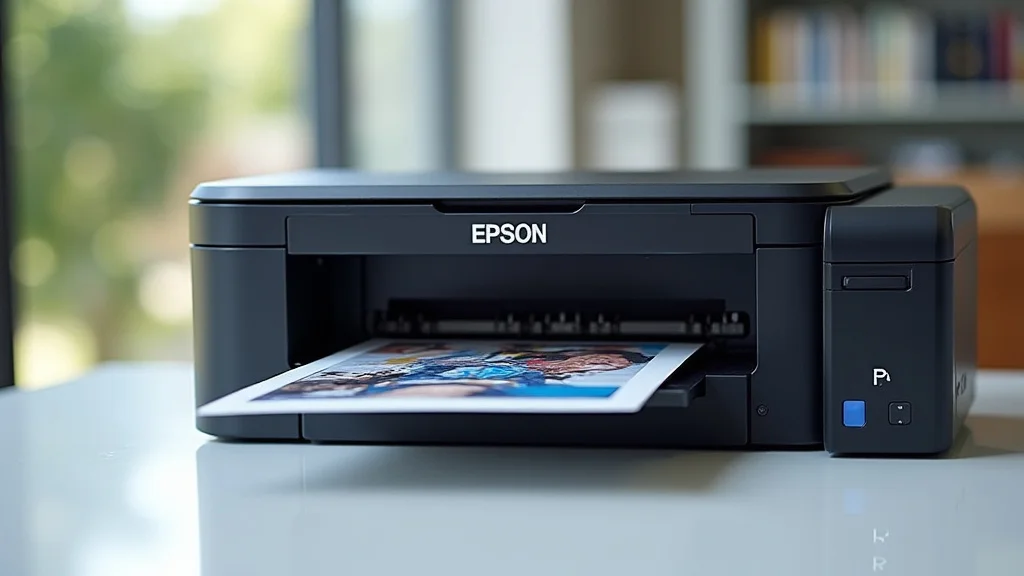
Remember that feeling when you first unboxed a new printer? The excitement, the possibilities. But then, the frustration when the prints weren’t quite what you expected? It’s a common experience. This guide aims to resolve any confusion about epson f series printers and help you achieve the results you desire, whether you are a business owner or a hobbyist. You will learn about their diverse capabilities and explore how they set a high bar in the printing industry. By the end, you’ll have a clear view of their benefits and how to get the most out of your printing projects, increasing time spent on the page and reducing bounce rate.
Key Takeaways
- Discover the key features and capabilities of epson f series printers.
- Explore the various applications of these printers, from fabric printing to signage.
- Learn about the different models and how to select the right one for your specific needs.
- Understand the innovative technologies that make Epson F-Series printers stand out.
- Gain insight into the cost-effectiveness and efficiency of these printing machines.
- Acquire practical tips for maintaining and optimizing your Epson F-Series printer for best results.
Unveiling the Epson F Series Printer Capabilities
The epson f series printers are a group of printers built to meet the needs of several industries, especially the apparel, signage, and promotional items sectors. They are well known for their use of dye-sublimation technology. This printing method uses heat to transfer dye onto fabrics and other materials, which gives vibrant and durable results. This makes them ideal for producing everything from custom t-shirts and sportswear to banners and promotional products. The F-Series printers also provide a variety of features and capabilities to meet various printing needs, including high-speed printing, superior print quality, and flexible media handling.
Dye-Sublimation Technology Explained
Dye-sublimation printing is a digital printing method that uses heat to transfer dye onto materials. The process starts with a specialized printer that uses heat to turn solid dyes into a gas. This gas then directly bonds with the fibers of the material, creating a permanent, high-quality image. Compared to other printing methods, like direct-to-garment (DTG), dye-sublimation produces images that are more vibrant, durable, and resistant to fading and washing. The images produced will not crack, peel, or wash away. This is because the dye molecules actually become part of the material, rather than sitting on top of it. In effect, it ensures that your designs are longer-lasting and have a professional appearance.
- The Printing Process: The process starts by printing a design onto a special transfer paper using dye-sublimation inks. This is usually done with an Epson F-Series printer. The paper is then placed on the material you want to print on, such as fabric or a coated hard surface. The material is then exposed to heat and pressure. The heat causes the dye to turn into a gas, which then penetrates the material and bonds with its fibers.
- Versatile Applications: This method is suitable for a wide range of materials, including polyester fabrics, ceramic tiles, metal, and even wood, as long as they have a special coating. It is frequently employed in producing apparel, promotional products, and personalized items.
- Durability and Quality: Dye-sublimation prints are known for their exceptional durability. The dye becomes integrated into the material itself, meaning the images will not peel, crack, or wash away. This is critical for products that undergo regular use, such as sportswear or outdoor signage.
- Color Reproduction: Dye-sublimation produces vibrant, rich colors and fine details. It is capable of a wider color gamut than other printing methods, ensuring that designs appear precisely as intended. This is especially advantageous for complex designs or images needing high-quality color reproduction.
- Environmental Considerations: Compared to some other printing methods, dye-sublimation is more environmentally friendly. The process produces minimal waste and uses water-based inks, making it a sustainable printing option.
Media Compatibility and Printing Quality
Epson F-Series printers are designed to handle a wide range of media, from lightweight fabrics to rigid materials. This allows users to explore a variety of applications. This flexibility, coupled with the precision of Epson’s print heads, ensures high-quality results across various projects. This ensures that users can achieve vivid colors, sharp details, and excellent print longevity, no matter the material used. Careful management of media settings, ink types, and resolution can further enhance the quality of your prints.
- Fabric Printing: These printers work well with polyester fabrics, which are common in sportswear, activewear, and fashion. Printing on these materials results in durable, vibrant designs. The inks bond directly with the polyester fibers, resulting in prints that are resistant to fading and washing.
- Hard Surface Printing: With the right coatings, these printers can transfer images onto hard surfaces like ceramic tiles, metal sheets, and even wooden panels. This opens up options for creating promotional products, personalized gifts, and decorative items.
- Print Quality: The print quality is very high, thanks to the precision of Epson’s print heads and the quality of the dye-sublimation inks. This creates detailed and vibrant prints with a wide color gamut, ensuring that your designs look amazing.
- Media Handling: The printers can handle a range of media sizes and thicknesses, allowing you to choose the right materials for each job. Proper handling is important to achieve the desired results and avoid potential problems.
- Ink Technology: Epson’s genuine dye-sublimation inks are designed to work together with their printers to produce vibrant and long-lasting prints. These inks ensure accurate color reproduction, great detail, and resistance to fading.
Epson F Series Printer Models: A Comparative Analysis
Epson offers a variety of F-Series printer models, each designed to meet different printing needs and budgets. It is essential to select the right model to match the demands of your specific applications. Several key factors impact the choice, including print speed, print size, ink capacity, and overall print volume. Each model has its own advantages that make it suitable for various business types and projects, whether you’re a small business or a large-scale printing operation. This provides the best outcome with your printing needs.
Key Model Features and Differences
There are several epson f series printers, each offering unique features suited to specific applications and production volumes. The selection process should be guided by your printing requirements. Print speed is a major factor to consider. This determines how quickly a printer can produce prints, which is critical for businesses with high-volume requirements. Different models offer varying print sizes, supporting different media widths and lengths. Ink capacity is also important, as higher capacity ink cartridges or bulk ink systems reduce the frequency of ink changes, increasing productivity. Consider your project needs.
- Print Speed: This varies among different models. Some offer faster print speeds, making them ideal for high-volume production. Consider the number of prints you need to create.
- Print Size: The maximum print size depends on the model. Some printers can print on larger media, suitable for signage and wide-format applications.
- Ink Capacity: Different models have different ink capacities. Larger ink cartridges or bulk ink systems minimize downtime and reduce the frequency of ink changes.
- Print Quality: Epson is known for its high-quality print output. However, even within the F-Series, different models may offer slightly different print resolutions and color accuracy capabilities.
- Additional Features: Other features include built-in heaters for faster drying, auto-sheet feeders, and enhanced color management capabilities.
Selecting the Right Epson F Series Printer for Your Needs
Choosing the right Epson F-Series printer involves evaluating your specific requirements and comparing model features. Consider the types of materials you will be printing on. If you’re focusing on apparel, a model with good fabric handling capabilities will be essential. Examine the print volume needed. For high-volume production, prioritize models with high-speed printing and large ink capacities. Evaluate the required print size. Consider the maximum print size the printer can accommodate. Compare print quality, and look at the resolution, color accuracy, and overall print quality of different models. Assess the ink costs. Finally, evaluate the initial investment and ongoing operating costs.
- Assess Your Printing Needs: Identify the types of materials you will be printing on (e.g., fabrics, hard surfaces, etc.) and the typical print sizes and volumes.
- Evaluate Print Volume: If you have high-volume requirements, select models with high-speed printing capabilities and large ink capacities to minimize downtime.
- Consider Print Size: Ensure the printer can accommodate the maximum print sizes you require, and assess the media handling capabilities.
- Compare Print Quality: Examine print resolution, color accuracy, and overall print quality to meet the needs of your applications.
- Evaluate Ink Costs: Assess the cost per print by considering the ink capacity, pricing of ink cartridges, and potential for bulk ink systems.
The Innovation Behind Epson F Series Printers
Epson’s F-Series printers are a result of significant research and development, and they showcase advanced technologies. The company is committed to innovation to improve printing efficiency and results. The innovative printhead technology ensures precise ink placement and high-quality results. Epson’s advancements in ink formulations result in vibrant colors and long-lasting prints. These technologies help drive the success of the epson f series printers.
PrecisionCore Printhead Technology
The PrecisionCore printhead is a key feature in the epson f series printers, contributing to their high print quality and efficiency. PrecisionCore uses a Micro Piezo printhead technology. This technology offers high-resolution printing. This ensures that the ink droplets are placed accurately, which produces clear and detailed images. It also provides high print speeds, enabling the printer to produce prints faster. The PrecisionCore printhead is designed for durability and reliability, offering a longer lifespan and reducing the need for maintenance. The precision enables the printers to work well across a range of media.
- Micro Piezo Technology: This technology uses tiny nozzles that accurately release ink droplets onto the media. This controls the size and placement of the ink droplets to produce high-resolution prints.
- High Print Speeds: The PrecisionCore printhead is engineered to deliver high print speeds without reducing quality. This makes these printers suitable for large-scale production.
- Durability: PrecisionCore printheads are designed to be long-lasting. They are made to withstand frequent use, which reduces the need for frequent replacements.
- Versatility: They work with a range of ink types and media, allowing for diverse applications, from fabric printing to hard surface printing.
- Consistent Quality: PrecisionCore technology ensures consistent print quality over time, offering vibrant colors, sharp details, and reliable performance.
Ink Technology and Color Management
The inks and color management systems are critical to the success of Epson F-Series printers. The printers use specially formulated dye-sublimation inks that produce vivid and long-lasting prints. These inks are engineered to bond with the fibers of the media, resulting in images resistant to fading and washing. Effective color management is also essential. This ensures that colors are accurately reproduced and match the intended designs. Epson’s color management systems give users the tools they need to achieve precise color results, making sure that prints always match expectations.
- Dye-Sublimation Inks: These inks are made to work with the Epson F-Series printers. They provide vibrant colors and exceptional print durability. They are designed to bond with the material fibers and result in prints that will not fade or wash away.
- Color Accuracy: The printers employ color profiles and color management tools to ensure accurate color reproduction. This ensures that designs appear exactly as intended on the final print.
- Wide Color Gamut: Epson’s inks provide a wide color range, which is especially beneficial for intricate designs and photos that need precise color reproduction.
- Ink Efficiency: Epson’s ink technology is designed to minimize ink waste. This, together with high-capacity ink cartridges and bulk ink systems, helps lower operating costs.
- User-Friendly Color Management: The printers offer user-friendly color management tools, allowing users of all levels to fine-tune color settings. This provides consistent and outstanding results.
Cost-Effectiveness and Efficiency of Epson F Series Printers
The Epson F-Series printers are well known for being efficient and cost-effective. These printers provide a strong return on investment for businesses and individuals who print frequently. The combination of efficient ink usage, reduced waste, and high-speed printing makes the Epson F-Series printers a smart choice for those seeking to reduce costs without compromising on quality or productivity. It helps you save money in the long run. By understanding how the features and technologies contribute to cost savings, users can maximize the value.
Reducing Operating Costs
Epson F-Series printers come with several design features that reduce operating costs. These printers are made to use ink efficiently, which reduces the cost per print. Features like high-capacity ink cartridges and bulk ink systems reduce the frequency of ink replacements. The printers also provide energy-saving modes. Epson printers are designed for durability and reliability, decreasing the need for maintenance and repairs. This means less downtime. All these factors combine to reduce the total cost of ownership over time. This offers a good return on investment.
- Ink Efficiency: The design minimizes ink waste during printing and maintenance cycles. This helps to reduce the cost per print and improves overall efficiency.
- High-Capacity Ink Options: Some models offer high-capacity ink cartridges or bulk ink systems, reducing the need for frequent replacements and minimizing downtime.
- Energy Saving: These printers are designed with energy-saving modes and energy-efficient components, reducing electricity costs and environmental impact.
- Reduced Maintenance: Epson F-Series printers are designed for durability and reliability. This reduces the need for frequent maintenance and repair, keeping costs down.
- Print Volume Optimization: The printers support high-speed printing capabilities, which lowers production time and increases overall productivity.
Boosting Productivity and ROI
Epson F-Series printers provide features that boost productivity and improve return on investment. High print speeds and fast output are very important for high-volume operations. These printers minimize downtime and keep production moving, thanks to their reliability and efficiency. By investing in an Epson F-Series printer, businesses can benefit from shorter turnaround times, reduced operational costs, and higher-quality prints. This improves customer satisfaction and revenue. These factors help organizations thrive in a competitive market.
- High Print Speeds: The printers are engineered for high-speed printing, reducing production time. This allows you to complete more jobs quickly.
- Reliable Performance: Epson F-Series printers are designed for reliable performance. This ensures minimal downtime and a steady workflow.
- Reduced Waste: By efficiently using ink and minimizing errors, these printers cut down on material and ink waste.
- Durable Prints: The quality and durability of prints reduce the need for reprints, saving time and money.
- Improved Customer Satisfaction: Fast turnaround times, high-quality prints, and increased productivity result in greater customer satisfaction, leading to repeat business.
Essential Maintenance and Optimization Tips for Your Epson F Series Printer
To ensure that you continue to get the best performance from your epson f series printers, it is very important to provide regular maintenance. Routine care not only keeps your printer running efficiently but also increases its lifespan and maintains print quality. Regular cleaning, following the recommended maintenance cycles, and using quality inks and media are all essential for getting consistent results. Keeping your printer in good shape enables your business to maintain its competitiveness.
Regular Cleaning and Maintenance
Regular cleaning and maintenance of your Epson F-Series printer are key to getting the best performance and to extend the life of your equipment. It is important to clean the print heads often. This gets rid of any ink buildup that could affect print quality. Additionally, it is critical to keep the printer’s exterior and interior clean. This involves removing dust and debris. Consult the printer’s manual for recommended maintenance schedules, which can vary depending on the model and frequency of use. Proper maintenance helps to avoid expensive repairs.
- Print Head Cleaning: Clean the print heads regularly using the printer’s built-in cleaning cycle. This helps remove any ink build-up that could affect print quality and nozzle performance.
- Exterior Cleaning: Use a soft, lint-free cloth to remove dust and debris from the printer’s exterior. This includes the control panel, paper trays, and other accessible surfaces.
- Interior Cleaning: Clean the inside of the printer, including the rollers and other components, following the instructions in the user manual. Use a soft cloth to remove dust and ink residue.
- Regular Lubrication: Check the user manual for lubrication points and recommended lubrication frequency. This will ensure smooth operation and prevent wear and tear.
- Maintenance Cycles: Follow the manufacturer’s recommended maintenance cycles. These include tasks like flushing the ink lines and replacing maintenance parts.
Ink and Media Best Practices
Using the proper inks and media is essential for ensuring print quality and the longevity of your Epson F-Series printer. Always use genuine Epson dye-sublimation inks. They are designed specifically for your printer. Using inks from other sources might damage the printer. To achieve the best print results, use high-quality media designed for dye-sublimation printing. Always store your ink and media in the correct conditions. Properly stored inks and media help maintain color accuracy, detail, and durability. Following these best practices will help you to get excellent print results.
- Use Genuine Epson Inks: Always use genuine Epson dye-sublimation inks designed for your printer model. These inks are formulated to provide high-quality output and ensure the best performance.
- Choose High-Quality Media: Use media specifically designed for dye-sublimation printing. Select materials suitable for your printing requirements and ensure they are compatible with the printer.
- Storage Conditions for Inks: Store ink cartridges in a cool, dry place away from direct sunlight and extreme temperatures. Follow the manufacturer’s guidelines for storage.
- Storage Conditions for Media: Store media in a cool, dry place. Keep it away from moisture and dust to avoid problems during printing.
- Regular Calibration: Calibrate the printer and color profiles to ensure color accuracy. Regularly calibrate your printer with your inks and media.
Common Myths Debunked
Myth 1: Epson F-Series Printers Are Difficult to Use
In reality, Epson F-Series printers are designed to be user-friendly. These printers come with software that makes set-up and operation simple. While advanced features are available for experienced users, the basic functionality is easily accessible, even for beginners. Epson provides extensive resources, including user manuals, tutorials, and customer support, to aid in the process. The focus on easy-to-use software and support resources shows that Epson aims to make high-quality printing accessible to all skill levels.
Myth 2: Dye-Sublimation is Only for Fabric Printing
Although dye-sublimation is very popular for fabric printing, its applications are more expansive. It can be used for a wide range of materials. With the correct coatings, you can print on materials such as ceramics, metal, and wood. This makes the method flexible for promotional products, personalized gifts, and unique decor. The ability to print on diverse surfaces is a key advantage of dye-sublimation technology. This widens the scope for creative and business applications.
Myth 3: All Epson Printers Are the Same
Epson provides a range of printers, each made for specific needs. The F-Series printers are dye-sublimation, which targets fabrics and rigid media. There are also EcoTank printers for cost-effective everyday printing, and WorkForce printers for business tasks. The features, print quality, and price vary greatly between these printer types. The wide range of Epson printers makes sure that you can choose the correct printer for your unique printing requirements.
Myth 4: Print Quality Always Suffers at High Speeds
The epson f series printers are developed to maintain excellent print quality, even at higher print speeds. The PrecisionCore printhead is important. It ensures the accurate placement of ink droplets at fast speeds. This combination means that you don’t need to sacrifice print quality for speed. This is essential for companies with significant print volumes. This offers efficiency and quality in a single device.
Myth 5: Epson Printers Are Only for Professionals
Epson printers are for a variety of users. While these printers meet the needs of professionals, they are accessible to hobbyists and small business owners too. Epson gives various resources, including user guides, software, and customer support, to aid users of all skill levels. With user-friendly designs and a range of models, Epson strives to offer high-quality printing options for many different types of users.
Frequently Asked Questions
Question: What is the main benefit of dye-sublimation printing?
Answer: The major advantage is the durability and quality of prints. The ink becomes part of the material, so it won’t crack, peel, or wash away.
Question: Are Epson F-Series printers easy to set up?
Answer: Yes, Epson F-Series printers are designed to be user-friendly, with simple set-up processes and easy-to-use software.
Question: Can I print on any type of fabric with an Epson F-Series printer?
Answer: These printers work best on polyester fabrics and other materials with special coatings for dye-sublimation printing.
Question: How do I choose the right Epson F-Series printer for my business?
Answer: Assess your print volume, the types of materials you need to print on, print size, and required print quality.
Question: What maintenance is required for Epson F-Series printers?
Answer: Regular cleaning of print heads, exterior, and interior components, plus using the manufacturer’s maintenance cycles, is recommended.
Final Thoughts
The epson f series printers represent a strong investment for businesses and individuals aiming to create high-quality, durable prints. With dye-sublimation technology, these machines excel at producing vibrant, long-lasting images on a variety of materials, making them a good option for custom apparel, promotional items, and more. From the precise ink placement of the PrecisionCore printhead to the user-friendly design, Epson has created a series of printers that are both capable and simple to manage. Prioritizing regular maintenance, using genuine inks and appropriate media, and knowing how to adjust the printer to your unique needs ensures that you will get the most out of your printing projects. Start exploring these printers to improve the quality of your printed products.
Leave a Reply