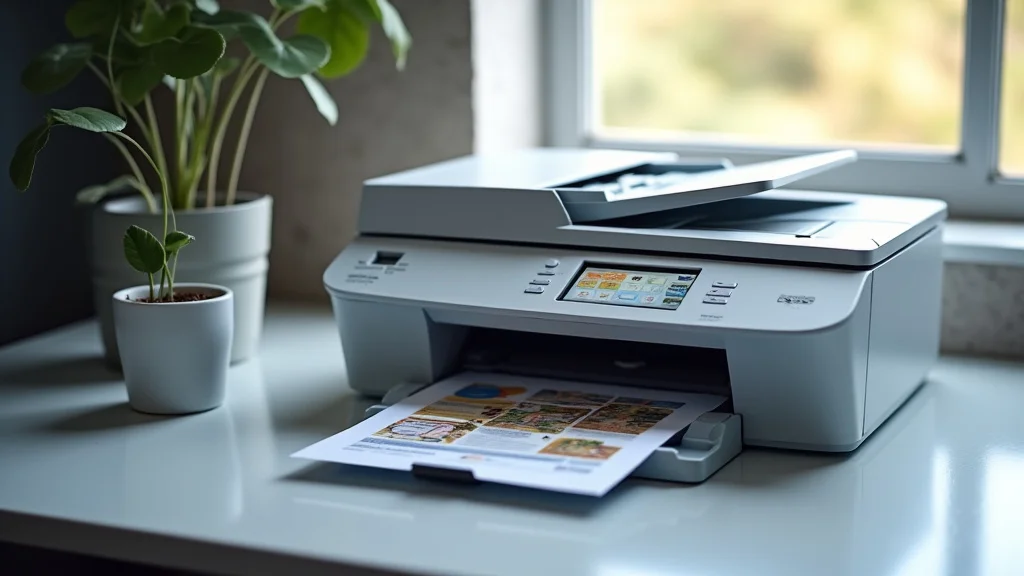
Remember that time you needed to print an important document, but your printer was out of ink? Or perhaps it was a last-minute school project that required high-quality prints? We’ve all been there! Finding the right printer can make these situations much less stressful. This guide helps you navigate the options, focusing on how to buy a HP printer that fits your specific needs, whether you’re a student, a small business owner, or just someone who needs a reliable home printer. You’ll gain the knowledge to make an informed decision, ensuring you get the perfect printer for your requirements, improving your workflow and saving you time and money. Plus, by understanding the different features and models, you’ll be better equipped to troubleshoot common issues and maintain your printer for years to come.
Key Takeaways
- Discover the different types of HP printers available, including inkjet, laser, and all-in-one models.
- Learn about the key features to consider when choosing a printer, such as print speed, resolution, and connectivity options.
- Understand the cost factors associated with owning an HP printer, including initial purchase price and ongoing expenses like ink or toner.
- Explore how to select the best HP printer based on your specific printing needs, whether for home use, business use, or specialized tasks.
- Gain insights into common printer maintenance tasks and troubleshooting tips to keep your printer running smoothly.
- Find helpful resources to help you locate the best deals on buy a HP printer models and related supplies.
Explore Different Types of HP Printers
The first step in knowing how to buy a HP printer is to determine the right type for your requirements. HP offers a wide array of printers, each designed with unique features and advantages. The selection ranges from basic inkjet printers perfect for home use to powerful laser printers suitable for professional settings. Recognizing the distinctions between these printer types is crucial to ensure you choose a device that meets your specific printing needs and budget. Let’s explore the key differences to help you make an informed choice.
Inkjet Printers: Versatility at Home
Inkjet printers are popular for their versatility and suitability for various printing tasks at home or in small offices. They use ink cartridges to spray tiny droplets onto the paper, producing high-quality color prints and photos. These printers are known for their ease of use, making them a great choice for casual users. The quality of inkjet printers has improved significantly, making them a viable option for those wanting high-resolution prints. They are also relatively affordable to purchase, making them attractive for those on a budget.
- Photo Printing Capabilities: Inkjet printers excel in photo printing, producing vibrant and detailed images. They offer a range of color options, allowing for high-resolution images.
- Cost-Effective for Low Volume: If your printing needs are occasional, an inkjet printer can be a cost-effective solution, as the initial investment is often lower than laser printers.
- Wide Range of Models: HP offers a variety of inkjet printers, from compact models for personal use to all-in-one printers with scanning and copying features.
For instance, consider a student needing to print essays and occasional photos. An inkjet printer like the HP Envy series would provide excellent print quality for both text and images, while remaining cost-effective for their typical usage volume. Another example is a small business that prints promotional materials. Inkjet printers can produce professional-looking brochures and flyers without the need for outsourcing.
Laser Printers: Speed and Efficiency for Businesses
Laser printers utilize a laser beam to create an electrostatic image on a drum, which then attracts toner particles to the paper. They are renowned for their speed, efficiency, and suitability for high-volume printing tasks in business environments. Laser printers are generally faster than inkjet printers, particularly when printing large documents. They use toner cartridges, which typically last longer than ink cartridges, reducing the frequency of replacements and the related costs. This makes laser printers a good value over time.
- High-Speed Printing: Laser printers can print pages very quickly, making them suitable for offices that require efficient document production.
- Durable Prints: Toner-based prints are generally more durable and less prone to smudging or fading over time. This is perfect for archiving documents.
- Economical for High Volume: Laser printers are often more cost-effective for high-volume printing due to the lower cost per page of toner compared to ink.
Consider a law firm needing to print numerous legal documents regularly. A laser printer like the HP LaserJet series would provide the speed and reliability needed for this demanding environment. A school needing to print worksheets for its students regularly, also suits a laser printer. This ensures that a large quantity of print outs are produced quickly and efficiently. For instance, a small office printing hundreds of pages a week would find a laser printer more economical than an inkjet.
All-in-One Printers: The Ultimate All-Rounder
All-in-one printers (also known as multifunction printers) combine printing, scanning, copying, and sometimes faxing capabilities into a single device. These are incredibly popular for their versatility and space-saving design, making them a practical choice for both home and office settings. All-in-one printers offer excellent value by integrating multiple functions into a single unit, which saves space. They are very convenient for those who need a versatile device capable of handling various tasks.
- Multifunctionality: All-in-one printers offer print, scan, copy, and sometimes fax capabilities, eliminating the need for separate devices.
- Space-Saving Design: The compact design of all-in-one printers helps save space in home and office environments.
- Cost-Effective: Combining multiple functions into one device often makes all-in-one printers more cost-effective than buying separate devices.
For example, a home office setup with limited space would benefit from an all-in-one printer, such as an HP Smart Tank series. This allows for both printing documents and scanning receipts. A small business with a need for printing, scanning, and copying would also find an all-in-one printer an excellent choice. This eliminates the need to invest in separate devices, saving costs and space.
Key Features to Consider Before You Buy a HP Printer
Before you buy a HP printer, consider the features that will fit your specific printing needs. These elements directly impact performance and usability. Prioritizing features ensures you get a printer that aligns with your printing habits and budget. Key features include print speed, resolution, connectivity options, and print volume. These details help narrow your choices, leading to a better purchasing experience.
Print Speed: Pages per Minute
Print speed is a measurement of how quickly a printer can produce printed pages. Measured in pages per minute (PPM), it is important for those who need to print large volumes of documents. For a busy office, a higher PPM rating will reduce wait times and improve productivity. For home users, a moderate PPM rating may suffice, depending on the frequency and volume of their printing needs. Print speed impacts the overall efficiency and is a key factor when purchasing.
- Impact on Productivity: Higher PPM rates reduce waiting times, increasing overall productivity.
- Types of Printers: Laser printers usually offer a higher PPM than inkjet printers.
- Matching Needs: Evaluate your print volume to select a printer with a suitable print speed.
Consider a small business that prints reports and invoices daily. A printer with a high PPM rating will minimize wait times and enable the efficient handling of print jobs. In contrast, a home user who prints occasionally may not need a high PPM printer, as the speed difference might not be significant for their usage. The primary benefit of the increased speed is the reduced wait time associated with print outs.
Resolution: Clarity and Quality
Resolution, measured in dots per inch (DPI), determines the clarity and detail of the prints. Higher DPI ratings result in sharper, more detailed images and text, making it a critical factor for those needing high-quality printouts, such as photos or detailed graphics. While higher resolution often means better print quality, the actual difference becomes less noticeable at higher DPI values. The ideal resolution varies depending on the type of printing. Consider this when deciding what to buy a HP printer.
- Impact on Print Quality: Higher DPI leads to sharper, more detailed prints.
- Applications: Photos and graphics benefit from high DPI, while text documents may require lower DPI.
- Resolution and Technology: Inkjet printers are usually able to deliver higher resolution prints than laser printers.
A photographer who prints images should choose a printer with high DPI to ensure detailed and vivid prints. For simple text documents, a moderate DPI printer would be suitable. An organization making brochures will need a printer with good resolution. The overall quality of a print is dependent on the resolution of the printer used.
Connectivity Options: Wired and Wireless
Connectivity options determine how easily you can connect and print from devices. Options include USB, Ethernet, and Wi-Fi. The choice of connectivity depends on your setup and printing needs. Wi-Fi printers are very convenient because you can share them across multiple devices without wires. USB connections offer a direct link to a single device, while Ethernet provides a stable connection for network printing. Understanding the connectivity options enables a smooth printing experience.
- Wired Connections: USB and Ethernet offer stable and secure connections, suitable for offices.
- Wireless Connections: Wi-Fi enables printing from multiple devices and offers great flexibility.
- Ease of Setup: Consider how easily the printer can be set up and connected to your network or devices.
A home user printing from multiple devices may find a Wi-Fi-enabled printer beneficial, while a small office looking for security may prefer wired connections. Many people prefer the convenience of Wi-Fi for its flexibility. The option chosen will heavily impact the ease of the overall print experience.
Print Volume and Duty Cycle
Print volume and duty cycle are key when deciding which printer to buy a HP printer. Print volume refers to the average number of pages you print per month. The duty cycle is the maximum number of pages a printer can handle per month without affecting performance or reliability. Choosing a printer that suits your print volume ensures you won’t overwork the printer. Matching the printer’s capacity to your printing needs will extend its life and reduce maintenance. Considering the print volume will help you choose a printer that’s a good value over time.
- Print Volume: This is the typical number of pages you print per month.
- Duty Cycle: The maximum number of pages the printer can handle monthly.
- Choosing a Printer: Match print volume with the printer’s capacity to ensure it operates correctly.
A home user printing occasionally may not need a high-duty-cycle printer. In contrast, a small business printing hundreds of pages a week will benefit from a printer with a high duty cycle. For instance, a small office printing thousands of documents a month requires a printer that can handle this volume without causing frequent malfunctions. An overused printer can lead to costly repairs and maintenance.
Understanding the Costs of Owning an HP Printer
Knowing the total cost of ownership is essential before you make a purchasing decision. This includes not just the initial cost of the printer but also the ongoing expenses such as ink or toner, maintenance, and potential repair costs. Recognizing these factors helps in making a budget-friendly decision. Knowing this will ensure you get the best value from your printer. Consider these factors when you buy a HP printer.
Initial Purchase Price
The initial purchase price is the upfront cost of the printer itself. Prices can vary greatly depending on the type of printer, its features, and the brand. Consider your budget and the features you need. This will assist you in narrowing down your choices. You can often find deals and discounts, especially if you shop at different locations. Comparing prices across stores and online retailers will save money. Consider sales events such as Black Friday or back-to-school season.
- Price Range: Printers can vary from under $100 to over $1,000 depending on features and model.
- Comparing Prices: Research different retailers to find the best deals and sales.
- Budget: Set a budget and compare printers within your price range.
For example, a student may need a basic, affordable printer. They may consider a budget-friendly inkjet printer model from HP. A small business with more extensive printing needs may be willing to invest more. They might buy a more advanced laser printer. Doing this will save you money and ensure you get the right product.
Ink and Toner Costs
Ink and toner costs are the recurring expenses associated with printing. These can be a significant part of the total cost of ownership. Inkjet printers use ink cartridges, while laser printers use toner cartridges. The cost per page varies based on the ink or toner used, as well as the print coverage. The purchase price of consumables is very important. To save money, consider high-yield cartridges, which can print more pages. Also, look at the cost per page before you buy a HP printer to compare different models.
- Inkjet vs. Laser: Inkjet printers generally have lower initial costs, but toner cartridges for laser printers last longer.
- High-Yield Cartridges: These cartridges print more pages, reducing the cost per page.
- Print Coverage: The amount of ink or toner used varies with the print coverage (the amount of ink or toner used per page).
For example, if you print mostly text documents, the cost per page with a laser printer might be lower than with an inkjet printer. If you print a lot of photos, the cost of ink cartridges for an inkjet printer may be higher. Evaluate your printing habits to estimate the ongoing costs. High-yield cartridges help reduce the long-term expenses.
Maintenance and Repair Costs
Maintenance and repair costs are important for keeping your printer in good condition and operational. This includes the cost of replacing parts, such as fusers, rollers, and printheads, and the cost of servicing the printer. Proper care, like regular cleaning, helps reduce the need for repairs. Regular maintenance and preventative care will also extend the printer’s life. Consider the HP printer models which provide extended warranties to minimize potential repair costs.
- Regular Cleaning: Regularly cleaning your printer can prevent many common issues.
- Warranty: Consider the warranty and extended warranty options.
- Part Replacement: Be prepared for the cost of replacing certain parts over time.
For instance, a busy office may invest in a service contract to ensure fast repairs and minimal downtime. A home user may learn to perform basic maintenance tasks to cut repair costs. If a printer fails, the cost of repairs can be considerable. Always consider your usage and the frequency of repairs.
Selecting the Best HP Printer Based on Your Needs
The best HP printer for you depends on your specific requirements and printing habits. There are numerous models available. Consider different factors such as home usage, small business needs, or specialized requirements, like photo printing. Each scenario demands different features. Evaluating your needs will help you find the most suitable printer. This will ensure you choose a printer that aligns with your specific needs. Understanding your requirements is key when deciding what to buy a HP printer.
For Home Use: Simple and Efficient
For home use, a printer must be easy to use and cost-effective. Simplicity and reliability are important. A compact, all-in-one printer with Wi-Fi is often the best choice for a home setting. A printer that is easy to set up and use is preferable. Consider the types of documents you typically print (documents, photos, etc.). Also, consider the print volume, as occasional users do not need a high-duty cycle printer.
- All-in-One: Choose a printer that can print, scan, and copy.
- Wi-Fi: Provides the flexibility to print from various devices.
- Inkjet: Good for both text and photos, and it is usually more affordable.
For instance, an HP Envy series printer provides ease of use and good quality prints for home. Home users will appreciate its user-friendly interface. A family that prints documents, homework, and occasional photos will find this to be perfect. The printer will satisfy both needs.
For Small Business: Productivity and Reliability
For a small business, a reliable and efficient printer is essential to manage operations. A laser printer or a high-capacity inkjet printer is ideal for high print volumes. Consider print speed and the cost per page. Multifunctionality, with scan and copy capabilities, can be essential for everyday tasks. Reliable printers are critical for day-to-day business operations. Having a printer that provides reliable outputs minimizes downtime. Also, prioritize durability and low maintenance costs.
- Laser Printer: Provides high print speed and cost-effectiveness for high volumes.
- All-in-One: Simplifies office tasks by offering print, scan, and copy features.
- Connectivity: Choose a printer with Ethernet or Wi-Fi for efficient and reliable connectivity.
A small office that needs to print invoices, reports, and marketing materials daily would benefit from an HP LaserJet. This provides high-quality prints and increased productivity. A small shop with daily print needs would benefit. This gives the ability to handle various business functions. The printer provides efficient and affordable printing solutions.
For Photo Printing: High Quality and Detail
When you are deciding to buy a HP printer, for photo printing, you need to prioritize high-resolution prints and vivid colors. Look for an inkjet printer with a high DPI resolution and multiple ink cartridges, including photo-specific inks. The quality of your prints will be enhanced by this selection. The printer should have high print resolution and be capable of printing photos in various sizes. A printer with excellent color reproduction will make your images look their best.
- Inkjet: Ideal for detailed and vibrant photo prints.
- High DPI: Ensures clarity and detail in photos.
- Multiple Ink Cartridges: Including photo-specific inks to improve color quality.
For professional photographers or hobbyists, the HP ENVY Photo series is a good choice. These printers produce high-quality prints with vibrant colors. For a photographer, a high-quality printer is essential. The printer produces beautiful prints and delivers the results that you want.
Maintaining and Troubleshooting Your HP Printer
Proper maintenance ensures the longevity and optimal performance of your printer. Regular cleaning, using the correct paper, and replacing ink or toner cartridges will keep your printer running smoothly. Knowing how to resolve common problems will minimize downtime and prevent the need for expensive repairs. This keeps the printer in good condition. Taking care of your printer is a great strategy when you buy a HP printer.
Regular Maintenance Tasks
Performing regular maintenance is crucial for keeping your HP printer in good condition. These tasks will extend your printer’s life and ensure quality prints. Regular cleaning, replacing cartridges, and checking paper are essential. Simple maintenance will minimize problems and maintain good performance. Regularly scheduled maintenance ensures your printer’s performance. Make these tasks part of your printing routine.
- Cleaning: Regularly clean the printheads and rollers to prevent streaks and smudges.
- Cartridge Replacement: Replace ink or toner cartridges before they run out to avoid print quality issues.
- Paper Handling: Use the correct type of paper and load it properly to prevent jams.
For example, you should perform regular printhead cleaning to remove clogs and ensure smooth printing. Replacing the ink cartridges before the ink runs out will ensure printing quality. This will help you avoid printer failure and potential damage.
Common Troubleshooting Tips
Troubleshooting common printer problems can save time and money. Print quality issues, connectivity problems, and paper jams are some of the most common issues. Knowing how to resolve these issues yourself can prevent the need for professional repair. Simple steps can fix many of the common issues. Follow these tips to keep your printer running smoothly. This will assist you in knowing what to do after you buy a HP printer.
- Print Quality Issues: Clean or align print heads or replace cartridges.
- Connectivity Problems: Check the network connection or reinstall the printer drivers.
- Paper Jams: Remove the jammed paper gently and check the paper tray.
If you have print quality issues, try cleaning or aligning the print heads. These steps often resolve issues such as streaking or faded prints. For connectivity problems, verify that your printer is connected to your network. Also, try reinstalling the printer drivers to solve common problems. For paper jams, gently remove the jammed paper and ensure the paper tray is loaded correctly. These steps will keep your printer running correctly.
Where to Find the Best Deals on HP Printers
Finding good deals and discounts can help you save money on your HP printer purchase. Researching various retailers, comparing prices, and considering refurbished models can help you find a great deal. This allows you to get a high-quality printer at an affordable price. Using the proper strategies can lead to significant savings. Consider these details when you buy a HP printer.
Comparing Prices from Different Retailers
Comparing prices across various retailers is a great way to find the best deals. This helps you to find the most cost-effective option. Online retailers, such as Amazon, often offer competitive prices and promotions. Physical stores, such as Best Buy and Staples, may also have discounts and special offers. Compare prices from various retailers and check their return policies. This can help you to make a better decision.
- Online Retailers: Check prices on Amazon, Newegg, and other online stores for possible discounts.
- Physical Stores: Explore offers and sales from Best Buy, Staples, and other physical stores.
- Price Comparison Websites: Use price comparison websites to assist you in getting the best deal.
For instance, before purchasing a printer, check the prices at Amazon, Best Buy, and Staples. Note each one’s promotional deals. Use a price comparison website to confirm that you are getting the best deal. This will give you confidence in your purchase. These steps can lead to considerable cost savings.
Considering Refurbished Models
Refurbished printers can be a cost-effective option, offering significant savings. These are often used or returned printers that have been tested and restored to working order. The quality and warranty of a refurbished printer can vary. This depends on the seller and the level of refurbishment. Be sure to check reviews and the seller’s warranty before you buy a HP printer. This offers a good value and is cost-effective.
- Cost Savings: Refurbished models often cost less than new printers.
- Warranty: Check the warranty offered by the seller.
- Reviews: Read reviews to ensure the printer is in good condition.
For example, if you are on a tight budget, consider a certified refurbished HP printer. Look at what the warranty is and the seller’s return policy. This option often provides a good balance between price and quality. The option to buy refurbished can provide you savings.
Common Myths Debunked
Frequently Asked Questions
Question: What’s the difference between inkjet and laser printers?
Answer: Inkjet printers use ink cartridges and are good for photos, while laser printers use toner and are better for fast, high-volume printing.
Question: How do I choose the right DPI for my printer?
Answer: For documents, 300 DPI is usually sufficient. Photos benefit from 600 DPI or higher.
Question: Why is my HP printer printing blank pages?
Answer: Check ink/toner levels, ensure the print driver is correct, and try cleaning the print heads or replacing the cartridge.
Question: What should I do if my printer is not connecting to Wi-Fi?
Answer: Restart your printer, check your network connection, and reinstall the printer drivers.
Question: How often should I clean my printer?
Answer: Clean your printer every month or as needed, especially if print quality issues arise.
Final Thoughts
Knowing how to buy a HP printer is a significant move. You can confidently select a printer that matches your needs. We’ve explored different printer types, from inkjet to laser and all-in-one models. You can determine the ideal printing solution for home or business requirements. We’ve gone over essential features like print speed, resolution, and connectivity. You can weigh the benefits and make a wise choice for your printing requirements. Consider the total cost of ownership, including purchase price, ink or toner expenses, and maintenance. By following the tips in this guide, you are well-equipped to find the perfect HP printer. Explore different models, compare prices, and keep in mind your printing needs. This will help you to select a reliable and efficient device. You will also enjoy hassle-free printing for years.
Leave a Reply