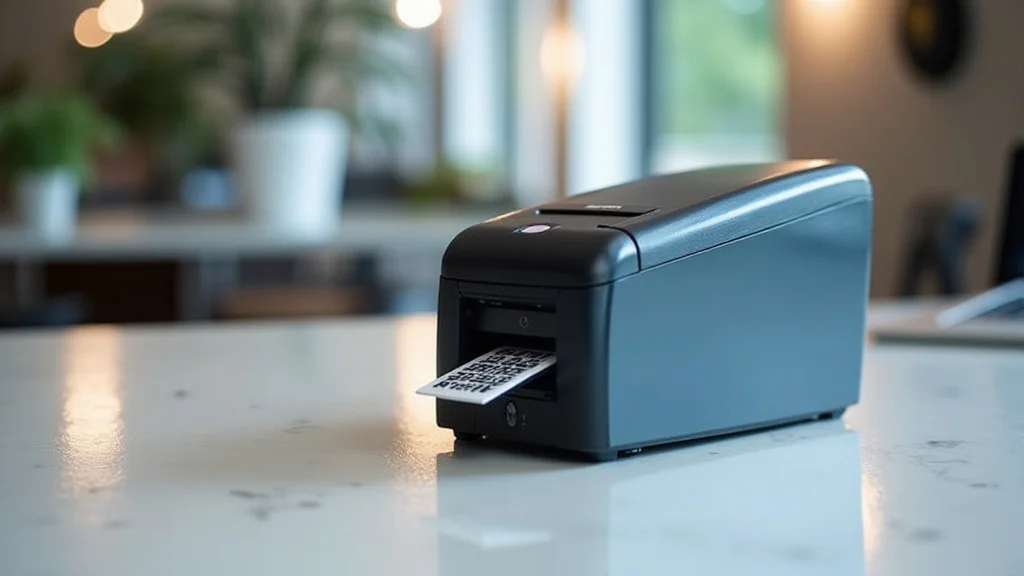
Imagine you’re at a conference, scanning QR codes left and right for information. Some scan instantly, while others give you blurry results or lead to broken links. Frustrating, right? Choosing the best quality QR code printer ensures your codes are crisp, scannable, and deliver the intended information flawlessly. This post explores everything about QR code printers, from selecting the right one to maximizing their utility for various purposes. By the end, you’ll be able to create scannable codes that help your business succeed and boost user engagement, helping you increase your website’s Time on Page and reducing the Bounce Rate.
Key Takeaways
- Understand the features of a best quality QR code printer.
- Learn about different types of QR code printers and their applications.
- Discover how to create effective QR codes for maximum scan rates.
- Find out the factors influencing print quality and scan success.
- Explore best practices for printing QR codes on various materials.
- Understand how to maintain and troubleshoot your QR code printer.
Choosing the Right QR Code Printer
Selecting the perfect QR code printer is more than just picking a machine; it’s about matching your specific needs with the right technology. Different printers suit various applications, from simple label printing to high-volume commercial tasks. Considering factors such as print resolution, durability, and ink type will ensure your QR codes remain scannable and look professional. This decision impacts not just the initial cost but also the long-term usability and efficiency of your QR code strategy.
Print Technology Overview
The core technology behind your QR code printer significantly impacts its performance and the quality of the codes it produces. The most common print technologies include thermal transfer, direct thermal, and inkjet printing. Each has its advantages and is suited to specific environments and requirements. Understanding these technologies helps you make an informed decision based on your specific application and expected use case. Print technology also influences the cost per print and the longevity of the printed codes.
- Thermal Transfer: This method uses a heated print head to transfer ink from a ribbon onto the label or material. It’s suitable for durable, long-lasting prints and is frequently used for barcodes and QR codes in industrial settings.
- Direct Thermal: In direct thermal printing, a print head applies heat directly to the label, which has a heat-sensitive coating. This method is cost-effective but produces prints that are vulnerable to heat and sunlight, affecting longevity.
- Inkjet Printing: Inkjet printers spray tiny ink droplets onto the paper. They are versatile and can print on a variety of materials, making them popular for a range of applications. The print quality can be excellent, and the cost of ownership can be moderate.
Thermal transfer printing is known for its durability and resistance to environmental factors such as moisture and abrasion. The ink bonds to the material, making it a reliable choice for applications requiring longevity. However, it often involves higher initial equipment costs and the ongoing cost of ribbons.
Direct thermal printers are cost-effective for short-term labeling needs. The process is simpler, which reduces maintenance needs. However, the print quality is lower, and the printed material is susceptible to fading. This option is not ideal for environments with heat exposure or where codes need to survive over a long period.
Inkjet technology provides flexibility and is often ideal for producing full-color QR codes. The ability to print on diverse materials with high resolutions makes inkjet printing a flexible option. The ink may require specific coatings for longevity and is not ideal for situations needing immediate water or abrasion resistance.
Resolution and DPI Considerations
Print resolution, measured in dots per inch (DPI), is a crucial factor in the readability of QR codes. A higher DPI indicates a printer’s capacity to produce finer details, which is crucial for creating clear, scannable codes. The resolution influences the overall clarity of the QR code, ensuring that the code can be accurately scanned by a variety of devices. The DPI setting of your printer directly impacts how well a QR code scans.
- DPI and Print Quality: Higher DPI settings help ensure that the printer can produce fine details. This is especially important for complex QR codes.
- Choosing the Right DPI: Select a DPI based on the size of the code and the material it is printed on. For example, smaller codes may need higher DPI settings.
- Scanning Distance and DPI: The DPI can affect the scanning distance and scanning success.
Printers with higher DPI settings can produce much clearer and more detailed prints, ensuring that the QR code is easily scanned. A higher DPI will allow for smaller QR codes that can still be scanned without issue. Lower DPI can lead to scanning issues.
Consider the final size of your QR code when selecting the printer’s DPI. If you require smaller codes or are printing on a material that may not absorb ink efficiently, opt for higher DPI. Testing the scans after printing is always advisable.
Ensure that your QR codes are scannable from a reasonable distance. Higher DPI helps with readability from farther away. Consider the intended use case and the likelihood of the QR code being scanned from various distances. It is always wise to test scan distances after printing.
Material Compatibility and Ink Types
The materials your printer can handle and the types of ink it uses are central to its capabilities. Not all printers are capable of handling every material. The materials you use, such as paper, plastic, or metal, will affect the type of printer you will need. Different inks are designed to bond with specific materials, impacting both the code’s durability and its scannability. Understanding this link ensures your QR codes are printed on the right materials and that the ink lasts.
- Material Selection: Choose materials that align with your requirements.
- Ink Types and Their Applications: Consider the ink’s resistance to environmental factors such as water, sunlight, and abrasion.
- Material Compatibility with Ink: Ensure that the printer ink is compatible with the selected material.
Different materials offer varying durability and scannability. Paper is cost-effective but less durable. Plastic offers water resistance. Metal tags are ideal for challenging environments. Selecting the right material is vital for a project’s needs.
Pigment-based inks are durable and fade-resistant. Dye-based inks offer vibrant colors but may fade more quickly under certain conditions. The type of ink chosen influences the longevity and resilience of printed QR codes.
Using incompatible ink and material combinations can cause the QR code to smudge, fade, or not adhere to the surface. Testing the compatibility of your printer and ink with each material is a wise step before any large print runs.
Maximizing QR Code Effectiveness
Creating effective QR codes involves more than just printing; it involves ensuring they work. Good design, strategic placement, and thorough testing are vital to ensure that your QR codes are easily scannable and lead users where you want them to go. This planning boosts user engagement and reduces frustration, which will influence their experience with your brand.
Design and Encoding Best Practices
The design of your QR codes plays a large role in their functionality. Even a simple, well-designed QR code will outperform a complex, poorly designed one. Careful encoding ensures that the code can hold the intended information and that it is easily readable by scanning devices. The choices you make will influence whether your target audience scans your code.
- Code Simplicity: Keep the design simple and clean. Avoid overly intricate patterns or excessive graphics within the code.
- Color Contrast: Ensure a high contrast between the foreground and background of the code. This is vital for scannability.
- Data Encoding Considerations: Reduce the amount of data encoded to enhance readability. The more data encoded, the more complex the code becomes, which can reduce the scanning success rate.
Less is often more. Simple designs are easier to scan. Avoid over-complicating the QR code with unnecessary elements. Simple QR codes enhance user experience and maximize scan rates.
Use dark-colored modules on a light background or the opposite. This contrast ensures that scanners can easily identify the code’s pattern. Improper contrast hinders readability and reduces scan success.
Use shorter URLs when possible to minimize the code’s size. Avoid encoding excess information that could increase complexity. Simpler, smaller QR codes are more likely to be scanned successfully.
Placement and Visibility Strategies
The placement of your QR codes is important for their effectiveness. Strategic placement ensures that the codes are visible and easily accessible. Consider the context in which the codes will be used to place them effectively. This process takes into account the environment in which your customers encounter the codes.
- Strategic Placement: Place codes where they are easily seen and accessible. Consider the users’ point of view.
- Contextual Relevance: Place the codes where they relate to the context. This increases the chances of engagement.
- Size and Distance: Ensure the QR code is large enough to be scanned from the expected distance.
Place the code at eye level or in areas with high visibility. Ensure the code is not blocked or obstructed by other items. Placing codes where they are most likely to be noticed is important.
For example, if you are advertising a specific product, place the code near the product. The code’s message must be relevant to the immediate situation to draw the user in.
The size must be appropriate for the location. Determine the expected scanning distance and adjust the code’s size accordingly. Test the code before mass production to ensure proper readability from various distances.
Testing and Validation Processes
Rigorous testing and validation are vital to ensure your QR codes function as intended. Testing helps identify and correct problems such as poor scanning. Testing also helps you make sure the links are working. A thorough testing process ensures an excellent user experience and the successful use of QR codes.
- Scanning on Different Devices: Test your QR codes on various smartphones and tablets.
- Checking Link Functionality: Make sure the code directs users to the correct information and that the link works.
- Real-World Scanning Conditions: Test the codes in various real-world conditions. This is essential if your codes will be exposed to different environments.
Test the codes on a range of devices, including different models and operating systems. Ensure all users can scan the codes easily. This ensures that the code works no matter the device.
Regularly check the links encoded in your QR codes. Make certain that the links take users to the right content. The user experience depends on the accuracy of the link.
Test QR codes in lighting conditions representative of where they will be used. Test codes for reflection issues. Testing under many conditions is important for guaranteeing optimal performance.
Selecting and Maintaining the Best Quality QR Code Printer
Choosing the best quality QR code printer means balancing cost, functionality, and long-term viability. Several factors influence the printer’s performance and the effectiveness of your QR code strategy. Understanding these factors and incorporating them into your decision-making will help you maintain and troubleshoot your printer.
Printer Features and Specifications
The key features and specifications of your printer will define its suitability for your QR code printing requirements. Consideration of print speed, resolution, connectivity options, and supported media sizes will help you find the best printer for your needs. The right printer supports your business’s needs while offering scalability for the future. Consider these features when looking for a printer.
- Print Speed: Evaluate the print speed to align with your production needs.
- Resolution: Ensure the resolution meets the print quality. A higher resolution supports sharper and more scannable codes.
- Connectivity: Identify the connectivity options to fit your workflow.
- Media Handling: Check the printer’s ability to handle various media types and sizes.
Consider how quickly the printer can produce QR codes to fit your production volume. Higher speeds are essential for businesses. Fast printing helps maximize efficiency and reduce turnaround times.
Higher resolutions (measured in DPI) enhance the precision of details. This results in sharper, more scannable QR codes, vital for diverse applications. The clarity and scannability of the QR codes depend on the resolution.
Printers with Wi-Fi, Ethernet, or Bluetooth provide flexibility and allow printing from different devices. Consider your workflow and the different types of devices you intend to use.
Make sure the printer supports the materials you need. The printer’s capability to handle different paper types and label sizes is essential. The type of media will dictate the printer’s suitability for different projects.
Maintenance and Troubleshooting
Regular maintenance and troubleshooting are essential to keep your QR code printer running efficiently and productively. Proper maintenance prolongs the printer’s lifespan and helps maintain the quality of the prints. Being able to perform basic troubleshooting steps ensures that minor issues don’t impact your operations.
- Regular Cleaning: Regularly clean the print head and other components.
- Calibration and Alignment: Regularly calibrate and align the printer for the best print results.
- Troubleshooting Common Issues: Learn to troubleshoot common printing issues, such as poor print quality or connectivity problems.
Regular cleaning is a must. Clean the print head to remove debris and ink buildup. Clean the internal parts to prevent paper dust. Cleaning regularly keeps your printer running smoothly.
The calibration process ensures proper alignment, which influences print quality. Misalignment can make your codes unreadable. Proper calibration ensures consistent and accurate printing.
Learn the basics of troubleshooting such as checking ink levels and connections. Understanding your printer’s common issues enables quick fixes. Common problems include print quality issues or connectivity problems.
Cost Analysis and Return on Investment
Performing a cost analysis of your QR code printer involves a comparison of all associated expenses, including initial investment, ongoing supplies, and maintenance. Calculating the return on investment (ROI) involves analyzing these costs against the benefits of deploying QR codes, such as increased customer engagement. Evaluate the total costs associated with your best quality QR code printer to measure its value and ensure your printing efforts provide the best value.
- Initial Investment: Evaluate the purchase price of the printer.
- Ongoing Costs: Assess the costs related to ink, labels, and maintenance.
- ROI Measurement: Measure the ROI of your QR code strategy, which includes customer engagement and sales.
- Long-Term Value: Consider the printer’s lifetime and its ability to adapt to changes.
Consider the purchase price of the printer, which varies based on features. Research models with features that align with your needs. Compare models and read customer reviews.
Factor in the price of ink,
Calculate how well your QR codes drive sales and enhance user engagement. Track the number of scans, the actions taken, and the increase in sales. Use these metrics to evaluate the investment’s effectiveness.
Select a printer with a longer lifespan and features that grow with your needs. A long-lasting, adaptable printer ensures you can print QR codes for several years. Choose a printer that will provide a long-term benefit.
Common Myths Debunked
Myth 1: Any Printer Can Print Good QR Codes
Many assume that any printer can produce scannable QR codes, but this is untrue. The print resolution and print technology greatly impact the quality. Lower-quality printers may produce codes with blurred lines that are harder to scan.
Myth 2: QR Codes Are Only for High-Tech Users
Some people think QR codes are only for those comfortable with technology. The use of QR codes is now common in various industries, from restaurants to retail, making them simple for almost everyone to use.
Myth 3: QR Codes Must Be Black and White
The common perception is that QR codes must always be black and white. While high contrast is important, they can feature color schemes. A dark foreground with a light background is often needed for scanning.
Myth 4: Large QR Codes Always Scan Better
The belief that larger QR codes always improve scannability is a myth. The ideal size depends on where it is and the scanning distance. Very large codes can be less effective if the user has to search for the right spot.
Myth 5: QR Codes Are Outdated
The myth persists that QR codes are no longer relevant, but this is untrue. They offer a fast and easy way to access information from different devices. QR codes continue to be essential marketing tools.
Frequently Asked Questions
Question: What is the best DPI setting for printing QR codes?
Answer: It depends on the size of the QR code and the material you are printing on, but generally, settings between 300 and 600 DPI will be suitable.
Question: How do I choose the right ink for my QR code printer?
Answer: It depends on the material you are printing on. Consider the ink’s resistance to environmental factors, such as water, sunlight, and abrasion. Pigment-based inks are often ideal.
Question: What factors affect the scannability of a QR code?
Answer: Factors include the quality of the print, the contrast between the code and its background, the size of the code, and the device used to scan it.
Question: Can QR codes be used on metal surfaces?
Answer: Yes, you can use QR codes on metal surfaces. You can either use a printer specifically designed to print on metal or use labels for metal surfaces.
Question: How often should I clean my QR code printer?
Answer: The frequency depends on how often you use it. For heavy use, you may need to clean it daily or weekly. For occasional use, monthly cleaning may be sufficient.
Final Thoughts
Choosing the best quality QR code printer is an investment that influences how effectively you communicate and connect with your audience. The right printer isn’t just about functionality; it also considers the long-term effectiveness of your strategy. By taking the right steps and understanding printer technology, you can make QR codes a powerful tool in your marketing efforts. Remember that clear, scannable codes begin with the right choice of printer. From design considerations to the importance of testing, all these elements are essential to the success of your efforts. Embrace the power of QR codes and watch your user engagement improve.
Leave a Reply